
Weather
82°63°
Sunny
Sunny
In the Bronx, Woodlawn-bound [4] skips Burnside Av
In the Bronx, no overnight [5] between Dyre Av and E 180 St
No [6] between Hunts Point Av and 125 St
In Queens, Flushing-bound [7] skips 52 St and 69 St All trains at Woodside-61 St board from the Manhattan-bound platform
In Lower Manhattan and Brooklyn, no Queens-bound [A] at Spring St, Canal St, Chambers St, Fulton St and High St
In Queens, Jamaica-bound [E][F] local skips 36 St, Steinway St, 46 St, Northern Blvd and 65 St
In the Bronx, no [D] at Norwood-205 St
In Brooklyn, Coney Island-bound [F] and Church Av-bound [G] skip 4 Av-9 St, 15 St-Prospect Park and Fort Hamilton Pkwy
No [L] between Broadway Junction and Canarsie-Rockaway Pkwy
No [N] between Queensboro Plaza, Queens and Times Sq-42 St, Manhattan
The deadline passed, nine of twelve agencies folded, and the fight moved to a federal courthouse in Albany.

The Local Cops, Local Crimes Act took effect Tuesday, barring New York police and jails from holding 287(g) agreements with ICE [5][14]. A 287(g) is a contract that deputizes local officers to do federal immigration work, usually inside a county jail; most upstate deals only screen people already booked, while Nassau's also deputized 10 detectives on the street and set aside 50 jail cells for ICE detainees [3]. Nine of the twelve agencies that had one have terminated it, and Attorney General Letitia James subpoenaed the holdouts, including Nassau County [5]. Fifteen sheriffs, represented by a lawyer for the Federation for American Immigration Reform, sued in the Northern District of New York hours later [3][7].
“Any police department or sheriff's office that disobeys this law, that maintains any agreement with ICE, will face legal action.”
“Our participation occurs inside the Rensselaer County jail, and let me say it again, involving individuals who have already been arrested.”
“If we didn't have an agreement with ICE, that individual would have been sent back into the community and probably committed more arsons.”
 City & State New York - All Content

 El Diario NY
 Gothamist
If your elevator has been out for months, the wait for a judge just went from weeks to five days.
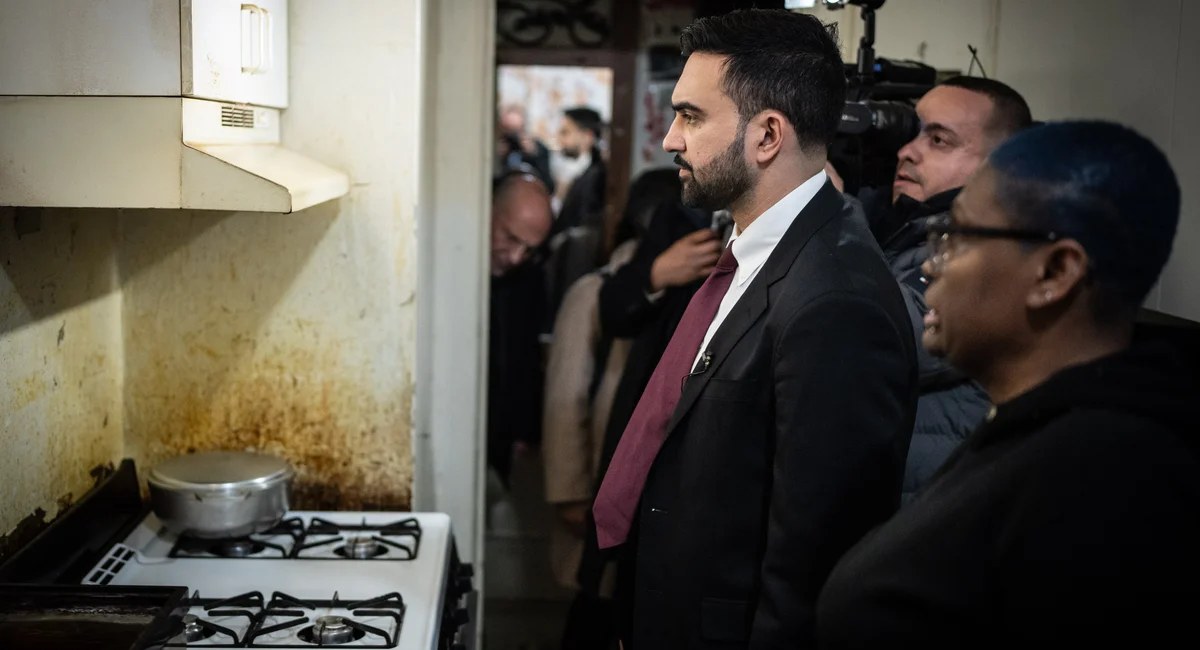
Under a July 16 directive from Civil Court Administrative Judge Shahabuddeen Ally, tenants suing over building-wide emergencies now get a judge assigned the day they file, and the landlord has five days to answer instead of weeks [26][32]. It applies to buildings with vacate orders or immediately hazardous violations affecting a third of the apartments, out-of-service elevators, and heat and hot water failures, plus Article 7A cases, in which the court replaces a negligent owner with a court-appointed administrator who collects the rent and spends it on repairs (NYC HPD) [26][32]. NYCHA tenants can use it too [21]. Judges can no longer adjourn these cases except in extenuating circumstances [21].
“When a building is dangerous, when an elevator is out or when a landlord has abandoned their responsibility to provide a safe home, tenants should not have to wait months or years for relief.”
“You can't starve a building of rent for a year and then call the elevator an emergency. The violations at the center of these cases stem from a lack of money to make repairs.”
Gothamist
 City Limits
The number of legal food cart permits has barely moved since 1983. In October, 21,500 more arrive.
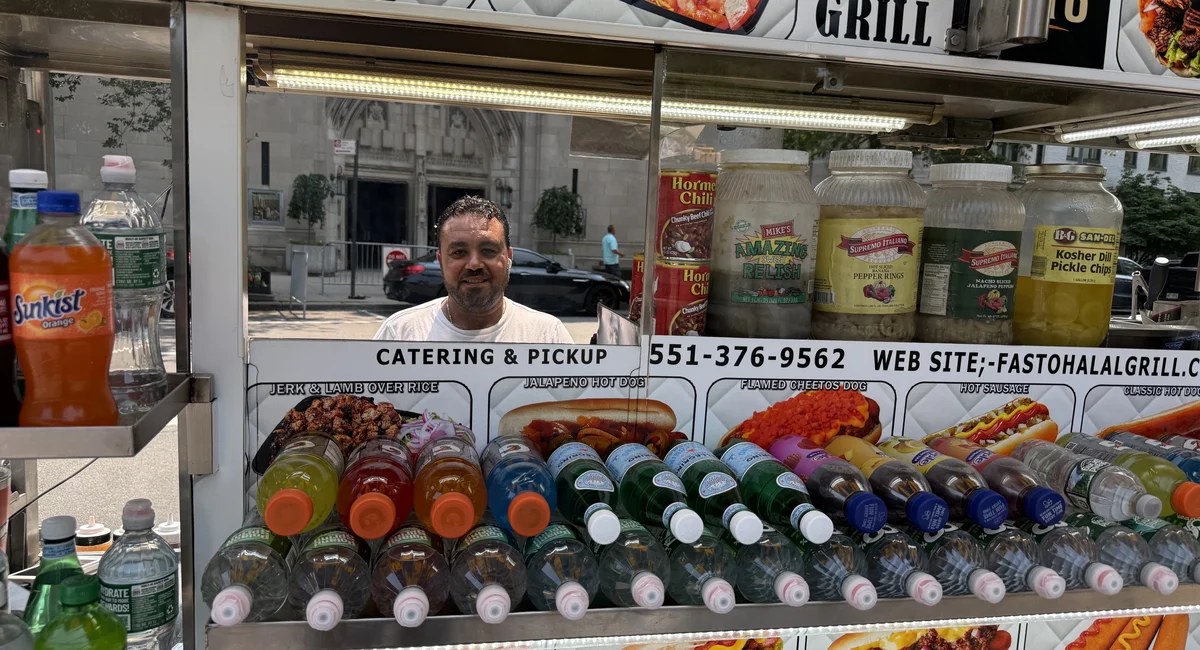
The first significant expansion of New York's vendor license cap in five decades begins this fall, with 21,500 permits rolling out under a City Council law passed in January over then-Mayor Eric Adams' veto [66]. General vendor licenses, the ones for selling hats and T-shirts, have been capped at 853 since 1979; food cart permits sat around 3,000 from 1983 until a pandemic-era law started nudging them up [66]. That scarcity created a black market in rented stickers. Morad Nawar, who has worked a cart at 90th Street and Fifth Avenue for 17 years, pays about $10,000 a year to rent someone else's permit and expects his own in October [66].
“It's going to really feel like my business, instead of the business that I'm taking care of.”
“People are basically exposed to various enforcement agencies who would come every now and then, crack down on the vendors, take their merchandise away, take their properties away, and slam them with very high fines that basically trap the vendors into poverty.”
Gothamist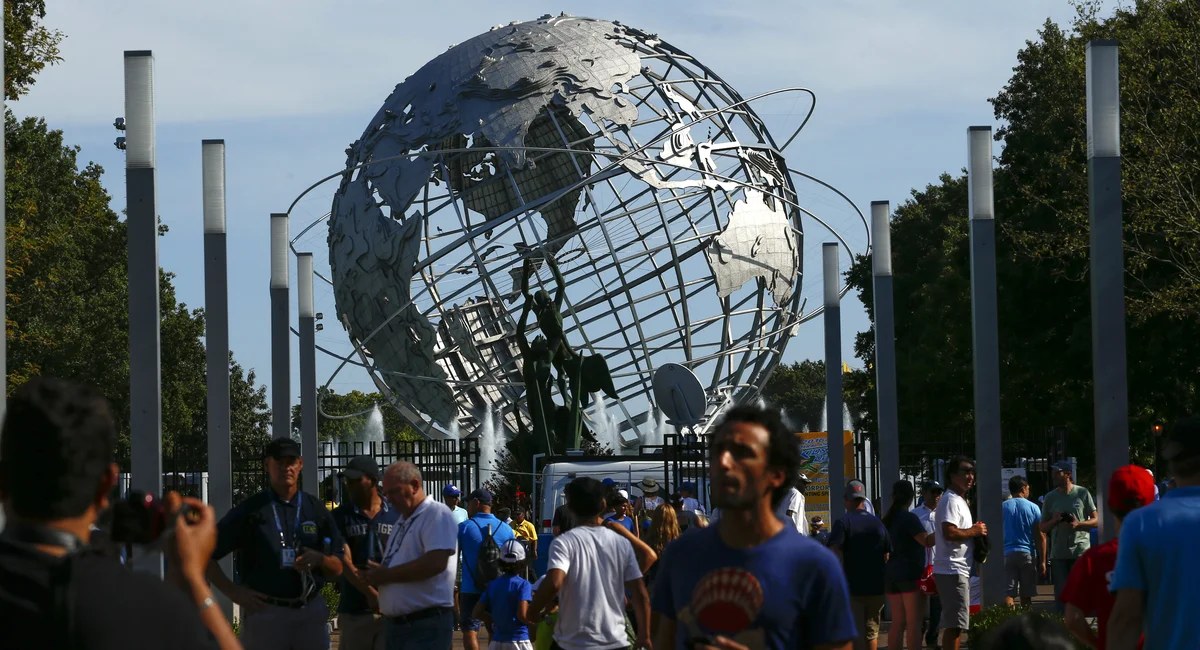
If you make the trip to Flushing Meadows for the Open, walk a little past the Unisphere to the median on United Nations Avenue North, where the city has built a retirement home for playground animals. Concrete creatures pulled from playgrounds all over the five boroughs, an aardvark, a camel, a pair of dolphins, now live out their days together in a small grove, and a sign politely asks you not to climb on them, because they have had enough [141]. Only New York would give its worn-out slide animals a pension and a plot of land.