
Comeback & the 21st Century · 1989-2002
The Central Park Five
Five teenagers confessed and were convicted in the 1989 Central Park jogger attack. In 2002, DNA proved a different man alone had done it, and a court threw out every conviction.
The facts
- The attack
- A 28-year-old jogger was beaten and raped in Central Park on the night of April 19, 1989, found with 75 percent of her blood lost and a body temperature of 84 degrees
- Who was convicted
- Five teenagers, 14 to 16 years old, Antron McCray, Kevin Richardson, Yusef Salaam, Raymond Santana and Korey Wise, convicted in two trials in 1990
- The evidence at trial
- Videotaped confessions that disagreed on who did what and where, plus hair testimony a lab called "similar" to Richardson's; no physical evidence matched any defendant
- The real confession
- In January 2002, convicted murderer and serial rapist Matias Reyes told investigators he alone had attacked the jogger; DNA later matched him to a certainty of one in 6 billion
- The reversal
- A New York state court vacated all five convictions on December 19, 2002, on the recommendation of the Manhattan District Attorney's office
- The settlement
- New York City settled the five men's civil rights lawsuit in 2014 for $41 million, without admitting fault
On the night of April 19, 1989, a 28-year-old jogger was beaten and raped in Central Park, found with three-quarters of her blood lost and a body temperature of 84 degrees. Police interrogated a group of Black and Latino teenagers who had been in the park that night on other charges, and five, ages 14 to 16, confessed on videotape to involvement in the rape. The confessions disagreed with each other on who did what, and where. No physical evidence recovered at the scene matched any of the five. They were convicted anyway, in two trials in 1990, aided by testimony that called a hair found on the victim similar to one defendant's. Each served years in prison before Matias Reyes, already serving a life sentence for a nearly identical rape committed two days earlier in the same park, told investigators in January 2002 that he alone had attacked the jogger. DNA testing matched his profile to the crime scene evidence to a certainty of one in six billion. On December 19, 2002, a New York court vacated all five convictions.
In their words
The event in the voices and documents of the people who were there. Every source links out so you can check it.
-
Document
The core of the court's reasoning for vacating all five convictions.
It is virtually self evident that the newly discovered evidence, specifically, the confession of a self admitted murderer and serial rapist, corroborated by physical evidence including scientific testing establishing that he was the sole source of DNA evidence connected to the Central Park jogger's rape to a factor of one to 6,000,000,000, would create the probability that had such evidence been received at trial, the verdict would have been more favorable to the defendants.
Justice Charles J. Tejada, People v. Wise, Supreme Court of the State of New York, New York County, decided December 19, 2002
The decision followed a motion consolidated from all five defendants, filed after the Manhattan District Attorney's office itself recommended vacating the convictions.
Source: People v. Wise (2002), via FindLaw case law archive -
Document
The prosecution's own 2002 concession about the physical evidence that had been available at the original 1990 trials.
Ultimately, there proved to be no physical or forensic evidence recovered at the scene or from the person or effects of the victim which connected the defendants to the attack on the jogger, or could establish how many perpetrators participated.
New York County District Attorney's Office, Affirmation in Response to Motion to Vacate Judgment of Conviction, quoted in the court's decision, December 2002
DNA from the crime scene had never matched any of the five men. It matched only Matias Reyes, to a certainty of one in six billion, once he was tested in 2002.
Source: People v. Wise (2002), via FindLaw case law archive -
Document
The five confessions, laid side by side by the court, could not agree on who committed the one crime all five were convicted of.
on the issue of who raped the jogger, Richardson named McCray, Santana and "Steve." McCray said it was a tall skinny black man, a Puerto Rican with a black hoodie, Clarence and Kevin. And he said that he himself had simulated having sex with the jogger. Santana said Richardson raped her. Salaam named Richardson, Wise and a couple of unknown males. Wise named "Steven," Santana and Richardson.
Justice Charles J. Tejada, summarizing the five defendants' 1989 statements, People v. Wise, December 19, 2002
None of the five defendants ever admitted to raping the jogger himself in any of the statements.
Source: People v. Wise (2002), via FindLaw case law archive -
Advertisement
Trump paid for the ad, reported by UPI the day before it ran, in direct response to the jogger attack and before any trial had taken place.
How can our great society tolerate the continued brutalization of its citizens by crazed misfits? Criminals must be told that their civil liberties end when an attack on our safety begins!
Donald J. Trump, full-page advertisement headlined "Bring Back the Death Penalty. Bring Back our Police!," published in four New York City newspapers, May 1, 1989
The word "animals," often attributed to the ad in later retellings, does not appear in the text contemporaneous wire reports quoted from it.
Source: United Press International, "Deadly Donald," April 30, 1989 -
Document
The hair evidence was among the only forensic testimony offered at the original 1990 trials tying any defendant to the crime scene.
A forensic analyst testified that a hair found on the victim was "similar" to Richardson's hair "to a reasonable degree of scientific certainty." Because there is not adequate empirical data on the frequency of various class characteristics in human hair, an analyst's assertion that hairs are similar is inherently prejudicial and lacks probative value.
Case summary, Kevin Richardson
Mitochondrial DNA testing in 2002 found the hairs were not related to the victim or the crime at all.
Source: Innocence Project, case page for Kevin Richardson
What people get wrong
-
The myth Videotaped confessions from all five defendants prove they were involved in the rape.
What’s true The confessions contradicted each other on who initiated the attack, who held the victim, who raped her, and what weapons were used, and none of the five ever admitted to raping her himself. The 2002 court found these inconsistencies, combined with the DNA evidence pointing to a single other attacker, meant a jury would probably have reached a different verdict.
-
The myth Trump's 1989 newspaper ad called the attackers "animals."
What’s true Contemporary wire reporting on the ad, which ran under the headline "Bring Back the Death Penalty. Bring Back our Police!" in four papers, quotes Trump calling for the return of capital punishment and describing attackers as "crazed misfits." The word "animals," frequently attributed to the ad in later retellings, is not in the text reported at the time.
-
The myth They are still generally known by the name the press gave them in 1989, the "Central Park Five."
What’s true The five men have said they prefer to be called the "Exonerated Five," a name that describes what the DNA evidence and the court's 2002 ruling established, rather than the label attached to them while they were still presumed guilty.
What it changed
- The five men sued New York City for civil rights violations in 2003; the city settled in 2014 for $41 million, split unequally by time served, without admitting fault.
- Matias Reyes was never charged specifically for the Central Park jogger rape; he was already serving a sentence equivalent to life for other rapes and a murder committed in the following months of 1989.
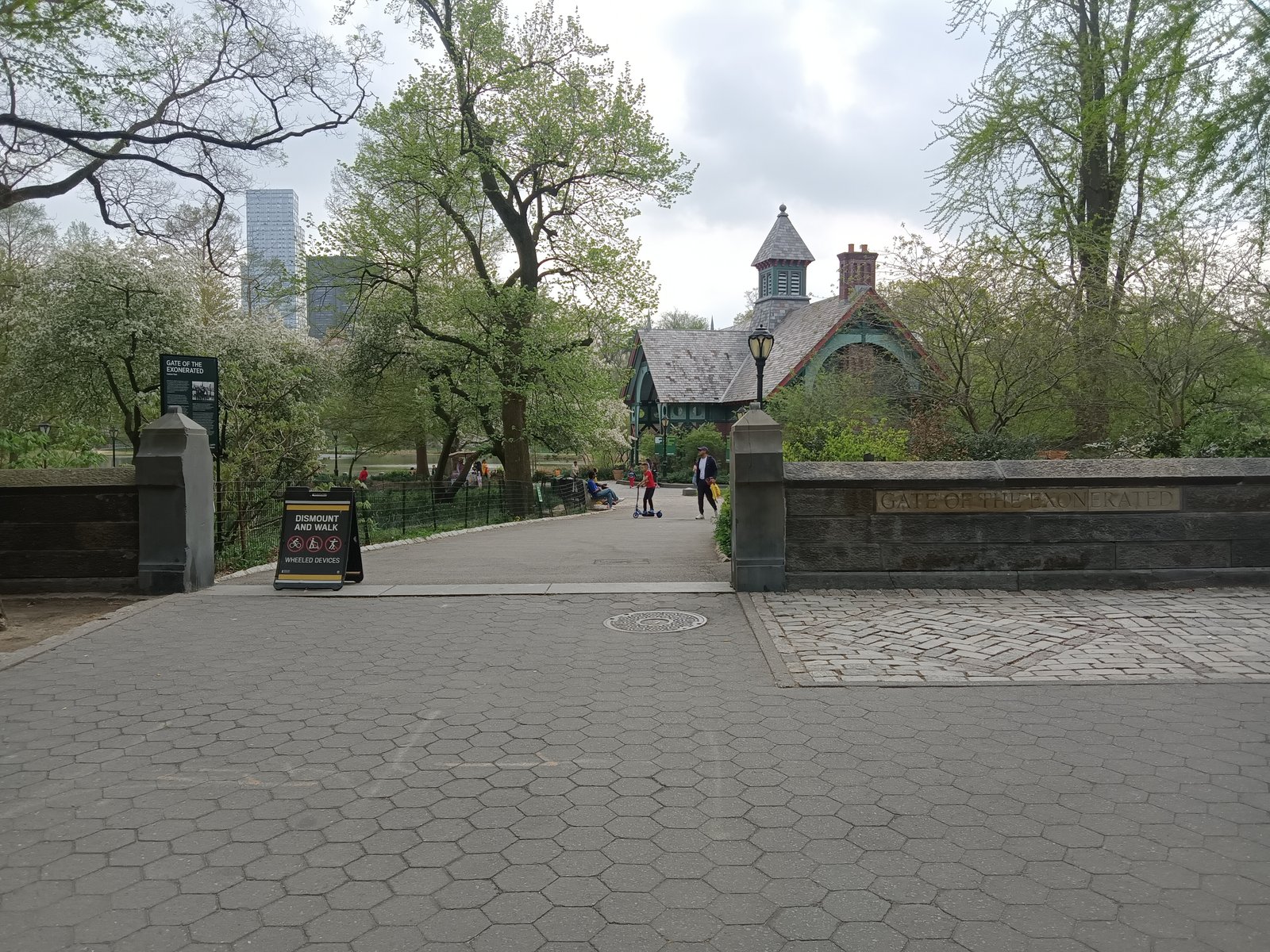
- Central Park's northern entrance near the Harlem Meer was renamed the Gate of the Exonerated in the men's honor.
- The case became the subject of Ken Burns's 2012 documentary "The Central Park Five" and Ava DuVernay's 2019 Netflix series "When They See Us," and remains a reference point in debates over false confessions and the interrogation of juveniles.
The New York Shelf
Read the whole story
Paid link. If you buy a book through this link, Bookshop.org pays us a small commission and sends a share of the sale to independent bookstores.
-
Reporting
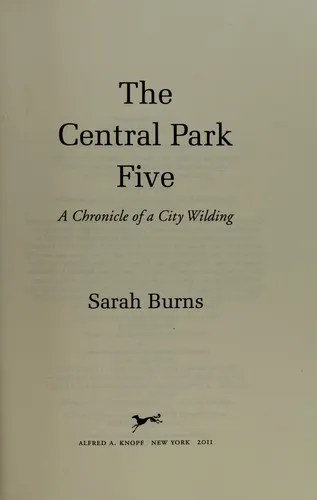
The Central Park Five (opens Bookshop.org)
Sarah Burns · 2011
Burns reconstructs the 1989 attack in Central Park, the confessions of five teenagers, and their convictions and exoneration.
The city is still writing this.
Four centuries end at this morning’s news. The daily brief picks up where the history leaves off: what changed in New York today and what it means, explained by breakfast.
Free. One email each morning. One-click unsubscribe. Never sold.